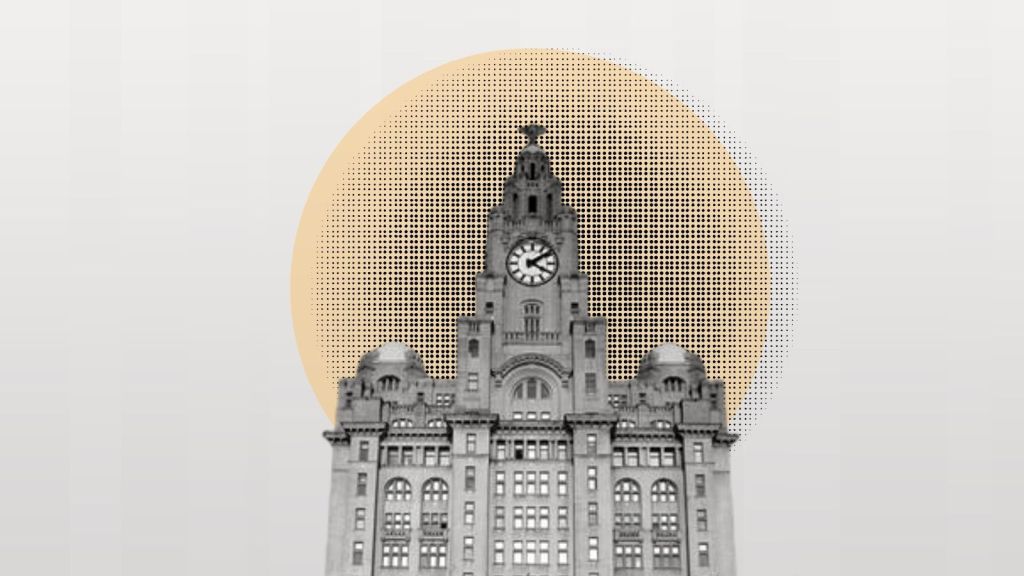
Scrolling through the vastness of Twitter this week I was struck by a quote from none other than Swiss psychiatrist and psychoanalyst, Carl Jung, who described Liverpool, the birthplace of the Beatles as ‘The pool of life’, and he was not wrong.
From that melting pot sprang of course the Mersey Beat, a beautiful mix of rock and roll, rhythm and blues and soul and it led me to thinking that this could only happen in a port city.
Now, a lot has been written about the influence of the Cunard Yanks, the Liverpool ship workers who travelled to the new world and brought back with them the jewels of America, in the form of gadgets, gizmos and most importantly rock and roll records. Their influence of the scene that was emerging at that time can not be dismissed. Yes, the record shops such as NEMs run by the Epstein family also carried their fair share of rock and roll but much of the fascination was created by the more obscure cuts that made they way back via those choppy crossings.
By the time these hits had been through the mixer of banjo chords, skiffle boards, scribbled lyrics and Scouse lilts they took on a new form, a new rock and roll that belonged to Liverpool, that belong to its people. Mix that with an emerging consciousness, that was so fresh it prompted the poet Alan Ginsberg to see Liverpool as the very centre of the human universe at that time, and you know that what happened there was something special.
From 57 to maybe 62, in that moment we see Liverpool for the first time, not as a black unpleasant city but as a place of hope, inventiveness and vision. Out of the harshest of realities sprung a movement that was driven not by economics, not by Governments but by people, young people.
That alone made Liverpool exciting, electric.
As the city geared up to become European Capital of Culture in 2008, an event opened by Richard Starkey himself, this sentiment was beautifully captured not by the Beatles, but by a Liverpool ensemble called the I-choir, a community group that sings to improve their mental well-being, they sang:
“We are symphony, cacophony, chosen children
People are this city,
Our Jerusalem builded here.
Wave your banner, set your fires alight coz’
We got our inspiration from this pool of life”
For me this, and in particular the last line that borrows from Jung, perfectly sums up the role Liverpool and its people played in the Beatle story and explains why they so often revisited it, even if only in their heads, for inspiration for their songs.
The Beatles songs are about people and places. Eleanor Rigby, Penny Lane, Strawberry Fields,In My Life. Even the hidden protagonists in their early love songs would have drawn from faded loves from back on Merseyside.
You write what you know and the Beatles wrote about people, real people, from a real city – A pool of life.
And for that we owe Liverpool, the forgotten muse of the Beatles, a great debt.
 Zap!
Zap! 